Thursday, August 13, 2009
EDUC 497 Puerto Rico - New Media Literacy

What does it mean to be literate in a digital age?
Graduate students in a summer education course at PSY found out at least part of the answer.
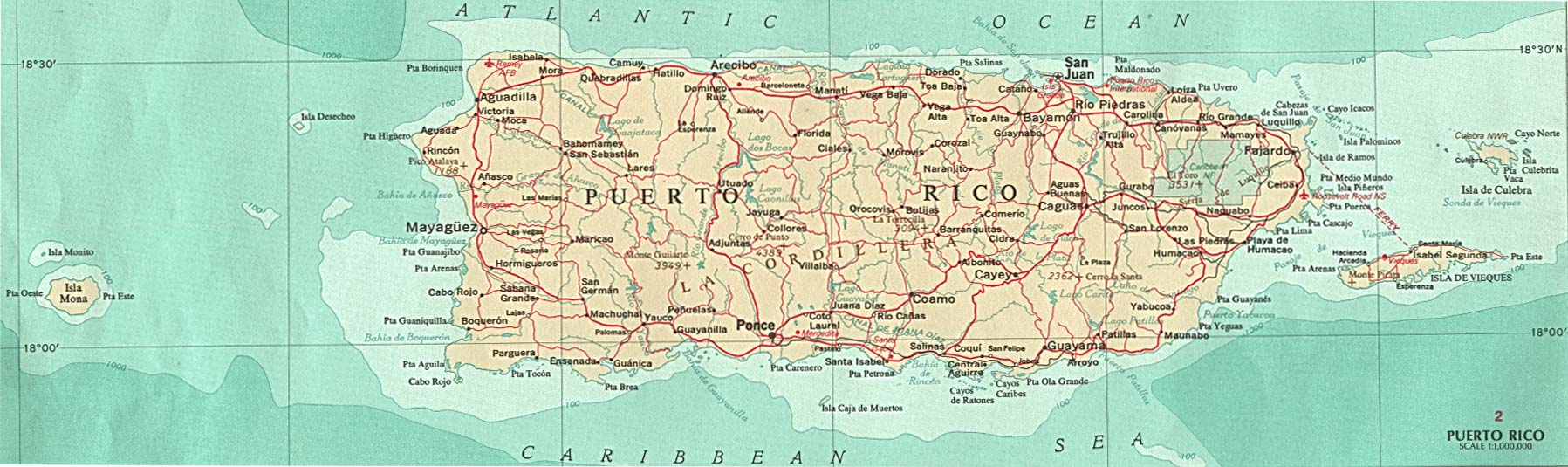
Ten students (all working K-12 teachers) traveled to Puerto Rico with their professor, Dr. Dixie Winters, and Monica Grigera, Multicultural Programs Coordinator at PSY, for a week's worth of cultural immersion and reflection - the goal being to support their awareness of and appreciation for Hispanic culture and to enahnce some of the activities that they do in the classroom.
For a week, they took classes at the Universidad del Sagrado Corazón in San Juan on language, culture, history, and literature. They traveled around the island, experiencing the diverse landscapes and geography, the arts and music as well as the delicious food. Besides their work at the university, they also visited teachers in a local grade school and had the chance to talk about educational practices in Puerto Rico. The students returned home after a week of adventures excited about what they had seen and experienced and eager to develop activities in their classes that recognize and honor the Latino contribution to math, science, and the arts.
But this blog post isn't about all that per se... but about how they used technology: blogs, YouTube, and multi-media to reflect on their experiences and describe their journeys as travelers and as teachers.
I met with Dixie and Monica, several times before the trip to discuss the tools that could best support their reflection and give a place to store artifacts for later viewing and presenting. A blog seemed like a perfect tool. With grant money, they purchased 5 FlipCams to record their trip, and we arranged for Matt Frank, our Digital Commons support person to meet with them after their return to stitch together video into a coherent story.
Technology training for students occurred in 2 blocks of time: A three hour session the week before they left for the trip and a 6-hour session afterwards.
Before they left: In this first session, we showed them how to work their cameras, and how to set-up and work in their blogs as well as how to post videos to YouTube and embed them in their blogs.
In this first session, we also talked at length about having a focus (much like writing a paper) for the pictures and video that they would take. Were they interested in the differences in class size or extended family?... then they wanted to make sure they captured video and still shots to support their question and the answers they were finding. The blog would serve as a place to reflect on the question, post new questions, and talk about the a-ha's of the trip. So they needed to "edit" their video and picture taking to really help them focus in on their question (and not have so much video to process on the return!).
We also passed out release forms for students to give to anyone they videotaped getting permission to use the video online later in YouTube.
Everyone was told to bring an 8 GB flash drive to the second session in order to store video from their cameras and their iMovie from their session with Matt.
After the return... we worked from 9-3:00 pm with an hour for lunch with Matt Frank on creating a movie using iMovie. We started with a brief review about how to upload to YouTube and embed the code into their blogs. Dixie talked to them about their presentations to the community and how they should approach it, using the blogs with embedded pics, individual videos, and their movies to talk about the experience. What did it all mean -as a teacher - as a person? With that focus in mind, the students were told to work with 3- 5 longer clips, stitching them together to help tell their reflective story.
By 2:15, they were ready to save and export their movies to YouTube and then embed them in their blogs. All went well and with 10 students who were motivated and interested, we made it through some very detailed processes.
So, back to the initial question... What does it mean to be literate in a digital age? For these students, it meant many processes with which they were already familiar: thinking of an authentic question, gathering resources about it (in this case, by travel and first hand experience), reflecting on the deeper meaning and connections to their own experience, organizing their thoughts into a coherent whole, using evidence (pictures and videos) to support their ideas, and synthesizing many ideas into one larger expression (iMovie culminating project and the blog as a whole). Students would then have to present their ideas, using the blogs with embedded artifacts to express their ideas.
With all of this going on, with students so engaged in the experience and in their own thoughts and how to express them, Dixie decided to forgo the additional research paper requirement as it seemed redundant at that point. Before this project, I wasn't so sure I bought into the notion of digital media replacing traditional literacies, but why this worked for me was the work of the students. They worked hard, they did the reflection, they gathered the artifacts, they took the work seriously. They applied what they were experiencing to their own classroom life and teaching practices. In the case of this course, their work was an excellent measure of their learning. Would this work with all classes and all levels of students? No, but for highly motivated students, who are interested and open to new things, it was a great fit!
I look forward to their presentations on 9/14 and 9/21 at 4:00 pm in The Rosie Ruhl Community Center at PSY.
Look at the video below dated June 24th for a pre-trip discussion by Dr. Winters.


Subscribe to:
Post Comments (Atom)

No comments:
Post a Comment